
one way glass cost
Reading a Dial Bore Gauge A Comprehensive Guide When it comes to precision measurement in mechanical engineering, the dial bore gauge is an essential tool. This handy device is primarily used to measure the internal diameter of holes with great accuracy. Whether you're working in a machine shop, an assembly line, or performing quality control checks, understanding how to read and utilize a dial bore gauge is crucial for ensuring that components meet specified tolerances. In this article, we will discuss the components of the dial bore gauge, how to read it accurately, and some tips for effective measurement. Components of a Dial Bore Gauge A dial bore gauge consists of several key components 1. Measuring Head This is where the actual measurement takes place. It typically has a set of interchangeable tips to accommodate different hole diameters. 2. Extension Rod This connects the measuring head to the dial indicator. It's usually made of a sturdy material that maintains rigidity during measurement. 3. Dial Indicator This component displays the measurement. It has a graduated dial that shows the distance traveled by the measuring head as it is inserted into the bore. 4. Adjustable Contact Points These are the tips that make contact with the inner surface of the bore. They can be adjusted to measure different diameters. 5. Locking Mechanism After taking a measurement, a locking mechanism may be used to retain the reading for easier viewing. Understanding these components is crucial not only for effective measurement but also for proper maintenance of the gauge . How to Read a Dial Bore Gauge Reading a dial bore gauge accurately involves a few systematic steps reading a dial bore gauge 1. Preparation Before taking any measurements, ensure that the gauge is clean and in good working order. If there are any residual oils, dirt, or debris on the measuring tips, clean them thoroughly to avoid inaccurate readings. 2. Setting the Gauge Insert the measuring head into the bore you intend to measure. Move the gauge slowly to avoid damaging the measuring tips. When you reach the point where the tips make contact with the bore's surface, note that the pointer on the dial will move. 3. Taking the Measurement The dial indicator will show a reading based on the movement of the measuring head. Make sure to take the gauge out slowly to avoid bouncing or jarring that might affect the reading. Note that the needle’s position will indicate how much the bore is either above or below the nominal specifications. 4. Interpreting the Reading The dial will typically have gradations, usually in thousandths of an inch or millimeters. Each full rotation of the needle represents a specific measurement increment. Be careful to read the value both from the dial and from any additional markings, if present. Some gauges also have a micrometer feature for more precise readings. 5. Verification After obtaining a measurement, it’s good practice to verify the results by taking multiple readings at different angles and positions within the bore. This helps to account for any irregularities in the hole’s shape. Tips for Effective Measurement - Handle with Care Always handle your gauge delicately to maintain its calibration. Avoid dropping it or exposing it to extreme temperatures, which could affect its accuracy. - Calibration Regularly calibrate your dial bore gauge according to the manufacturer's specifications. This helps ensure consistent and reliable measurements. - Practice If you're new to using a dial bore gauge, practice on known dimensions to build confidence and accuracy in your readings. - Documentation Record each measurement for quality control purposes and future reference. In conclusion, mastering the use of a dial bore gauge is an invaluable skill in any engineering or machining setting. With attention to detail and consistent practice, you can ensure precise measurements that will improve the quality of your work and meet the high standards of professional manufacturing. By following the guidelines laid out in this article, you can confidently wield this essential tool and enhance your technical capabilities.
about
one way glass cost
Understanding Thread Plug Gauges and JIS Standards Thread plug gauges are vital instruments used to assess the correctness of internal threads in various applications, ensuring quality and precision in manufacturing processes. These gauges are essential in industries where threaded parts are critical, such as automotive, aerospace, and machinery. One of the key standards governing thread plug gauges is the Japanese Industrial Standards (JIS), which provides guidelines for gauging the dimensions, tolerances, and testing methods. Understanding Thread Plug Gauges and JIS Standards JIS standards for thread plug gauges are categorized according to specific applications and materials. These standards cover a wide range of thread types, including Unified threads, metric threads, and various other thread forms utilized in different sectors. By adhering to these standards, manufacturers can ensure the interchangeability and reliability of threaded components, reducing the risk of mechanical failures and enhancing product safety. thread plug gauge jis standard One notable aspect of the JIS thread plug gauge standard is its emphasis on precision. The guidelines dictate the acceptable limits for tolerances in thread profiles, ensuring that even minor deviations are accounted for. This level of precision is essential not only for operational efficiency but also for maintaining safety standards in devices that rely on threaded connections. In addition to dimensional guidelines, the JIS standard also addresses the material requirements for manufacturing thread plug gauges. Typically made from high-quality steel, these gauges must exhibit exceptional hardness and resistance to wear, ensuring they maintain their shapes over extended periods of use. The manufacturing process often includes heat treatment and surface hardening techniques to achieve the desired durability and functionality. Another significant benefit of complying with the JIS standard is the facilitation of international trade. As businesses increasingly operate in global markets, adherence to recognized standards becomes crucial for promoting trust and reducing discrepancies in product quality. Compliance with JIS standards allows manufacturers to demonstrate their commitment to quality assurance, gaining confidence from clients and customers around the world. In conclusion, thread plug gauges are essential tools in ensuring the precision of threaded components, with JIS standards providing a comprehensive framework for their design and manufacturing. By adhering to these standards, industries can enhance product reliability and foster greater confidence in threaded applications, thereby supporting overall quality improvement in engineering and manufacturing processes.
-

High quality industrial productsagement

High quality industrial products
View Details -

Meet the diverse needs of customers

Meet the diverse needs of customers
View Details -

Strict quality control

Strict quality control
View Details -

Top raw materials

Top raw materials
View Details -

Trusted supplier

Trusted supplier
View Details
Our application

news and information
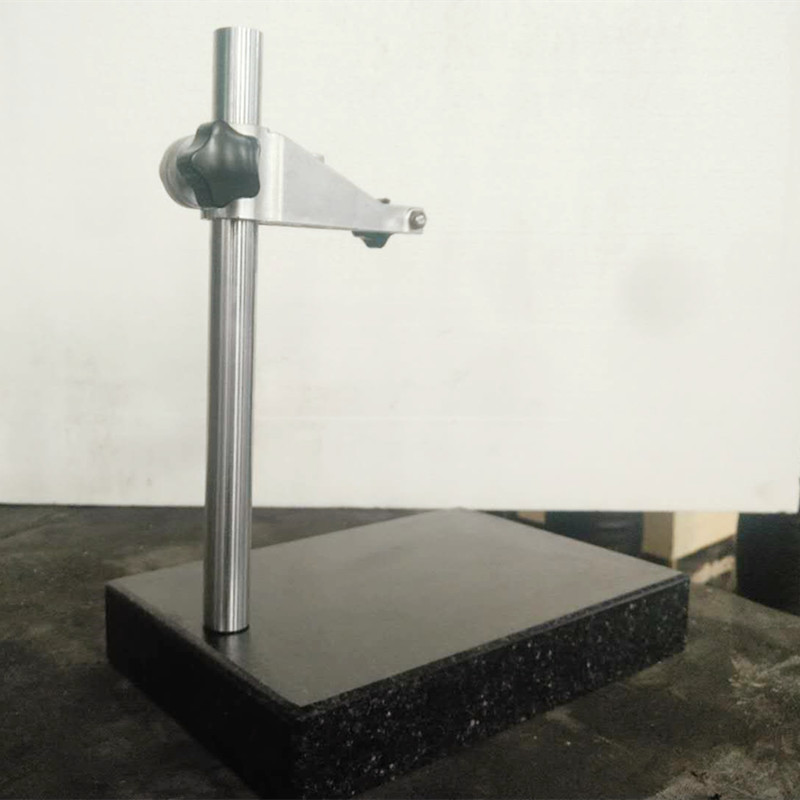
Y-type filter met afvoerkraan voor efficiënte vloeistofbehandeling
Y-Type Filter met Afsluitklep Een Efficiënte Oplossing voor Uw Pijpleidingsysteem In de wereld van i
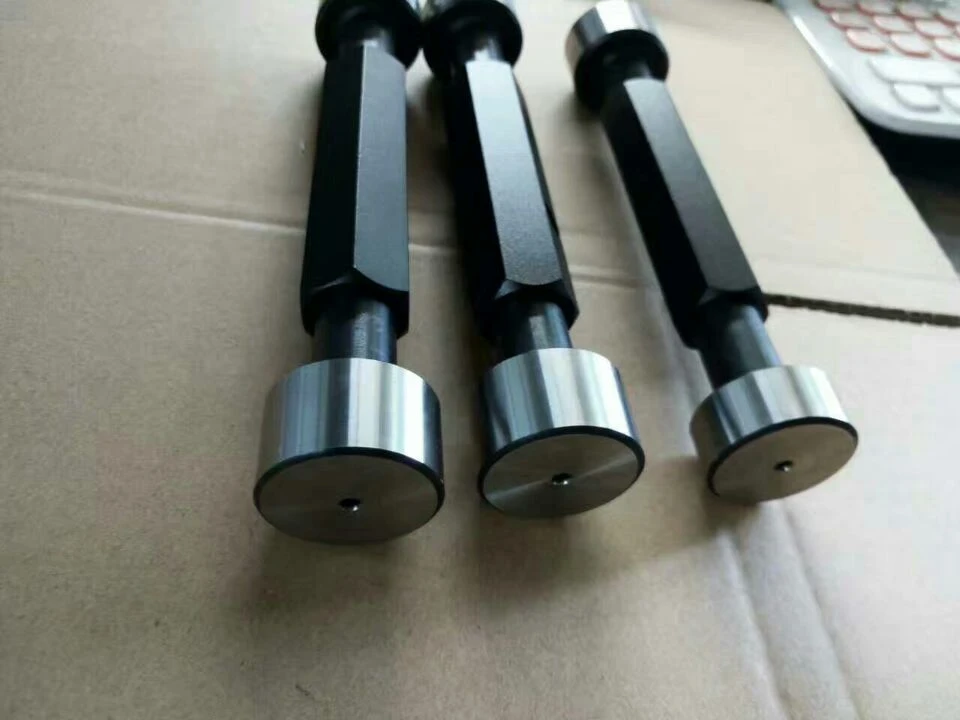
Wskaźnik gwintu g i h
Temat gwintów i narzędzi pomiarowych, takich jak wskaźnik gwintów typu plug gauge, jest niezwykle is
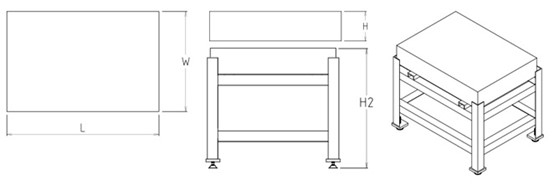
y Siebdampfabscheider
Der Y-Strainer ist ein wichtiges Bauteil in der industriellen Prozessindustrie, insbesondere in Damp
 English